

The Outside-the-Box SEO Tactics That Actually Drive Business
You’ve done everything right.
Your titles are optimized. Your semantic structure is tight. Technical errors? Fixed. Internal linking? On point.
And yet… you’re still hungry for more.
More traffic. More conversions. More business impact.
That’s when you realize: sometimes the best SEO tactics aren’t found in the typical playbooks. Sometimes you need to think outside the box and get creative with strategies that blend psychology, user behavior, and yeah, a bit of calculated risk.
Here are 5 unconventional techniques that can give you an edge when standard optimization isn’t enough.
1. Social Contest + Hidden Treasure Hunt = Navboost Manipulation
Here’s the play:
Run a classic social media contest (Facebook works great) where people like, comment, and share to win a prize.
But here’s the twist: tell participants that to unlock a bonus gift, they need to:
- Search for
[your target keyword where you're top 5]on Google - Click on your website
- Find a hidden element on the page (promo code, easter egg, whatever)
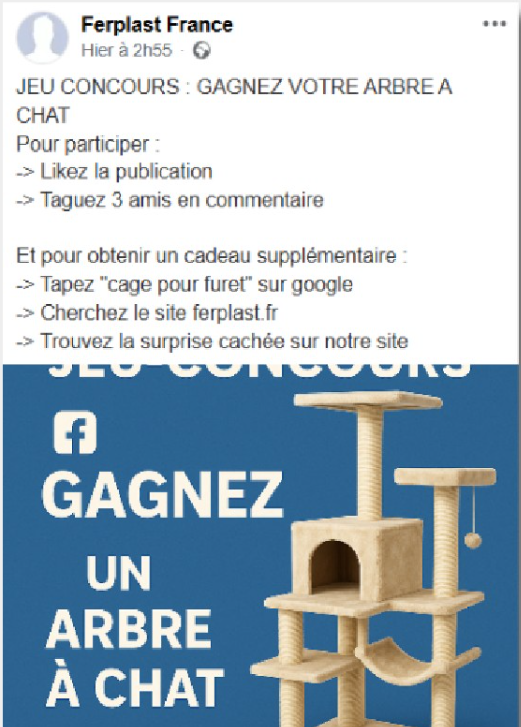
Why it works: You’re gaming Navboost, Google’s click and engagement algorithm. When dozens (or hundreds) of people suddenly search for a keyword, click on your result, and spend time exploring your page, Google’s reranking system notices. It interprets this as « hey, users really love this result » and can boost your position.
The catch:
- Time this during a crucial business period (product launch, seasonal peak)
- Don’t expect it to last forever, Navboost uses 13 months of user data to detect manipulation
- Make sure visitors actually navigate through your page (hide the treasure hunt across multiple pages to increase dwell time and reinforce the « relevant page » signal)
- Don’t hesitate to boost your contest with paid ads so it lasts over time and generates regular visits. And especially to kickstart the post’s popularity, usually a bit of money is enough to get the ball rolling. Then of course, the likes, shares, and comment tags from people participating in the contest will contribute to the organic visibility of the post. But it’s worth putting in some money at the beginning or from time to time when you feel the post is stagnating a bit.
2. Target Your Competitors’ Brand Keywords They Can’t (or Won’t) Touch
This one’s spicy.
Create content targeting searches like:
[competitor brand] scam[competitor brand] phone number(if they don’t have phone support)[competitor brand] customer service
The strategy: Find the gaps—keywords people are searching about your competitors that have NO satisfying answer online. Create the page that answers these queries, provide genuine value, then subtly guide visitors toward your brand as the alternative.
Fair warning: This can trigger retaliation. Competitors might notice and play the same game. It’s not illegal, but it’s… let’s say, « competitive. » Proceed with eyes wide open.
3. Provide Everyday Resources Your Personas Actually Need
This depends heavily on your business type, but the concept is universal: place yourself on keywords where people want to download or print something, then provide that resource with a subtle ad.
Example: You sell kids’ toys? Create a coloring pages site. Offer free printable drawings with your logo or a promo code discreetly integrated into the design.
Some of those colored masterpieces will end up on fridges or bedroom walls—with your brand in plain sight for months.
Other opportunities: Checklists, contract templates, calendars, planners, worksheets. Do keyword research in your niche—you’ll be surprised how many practical resources people are searching for.
4. Create Something Funny, Unusual, and Genuinely Useful
In Australia, a pet food company created a free CV generator for dogs up for adoption.
Quirky? Yes. Useful? Absolutely. It went viral locally, earned media coverage, generated backlinks, and positioned the brand as fun and caring.
The principle: Make something that serves your community in an unexpected way. Something shareworthy. Something that makes people think « wait, that’s actually brilliant. »
It’s not just about SEO—it’s about creating a genuine brand moment that naturally attracts attention and links.
5. Play to People’s Egos (Especially B2B)
Here’s the truth: professionals love recognition. They want to be seen, celebrated, ranked.
The tactic: Create a directory or ranking page like:
- « Top [profession] in [country] »
- « Best [industry experts] to Follow »
Make it interactive. Add a « Apply to be ranked » button. Design it beautifully so it becomes THE reference page in your industry.
Here’s what happens:
- Share the page on LinkedIn, tag the first people you’ve added
- They’ll thank you, boosting your post visibility
- Curious professionals check if they’re on the list
- Some apply through your form to be added
- They’ll keep coming back to see updates
The result: Traffic from your exact target audience, citations from people bragging about being ranked, and if your offer is compelling enough => conversions.
To go further : You can add a voting system to encourage people to come everyday to the page and share the page to their followers to vote for them.
What About You?
Know any other outside-the-box tactics that actually work?
Hit me up on LinkedIn. I’m always curious about creative approaches that others are testing in the wild.

Ian Sorin is an SEO consultant at Empirik, a digital marketing agency based in Lyon, France. He regularly runs R&D tests to probe the limits and vulnerabilities of search engines and LLMs. His experiments focus on understanding how these systems work under the hood—and where they break. Because knowing the edge cases and potential exploits isn’t just about gaming the system, it’s about predicting where SEO is heading as AI reshapes search.